Greener

Greener. For Good.

Greenhouse Installation

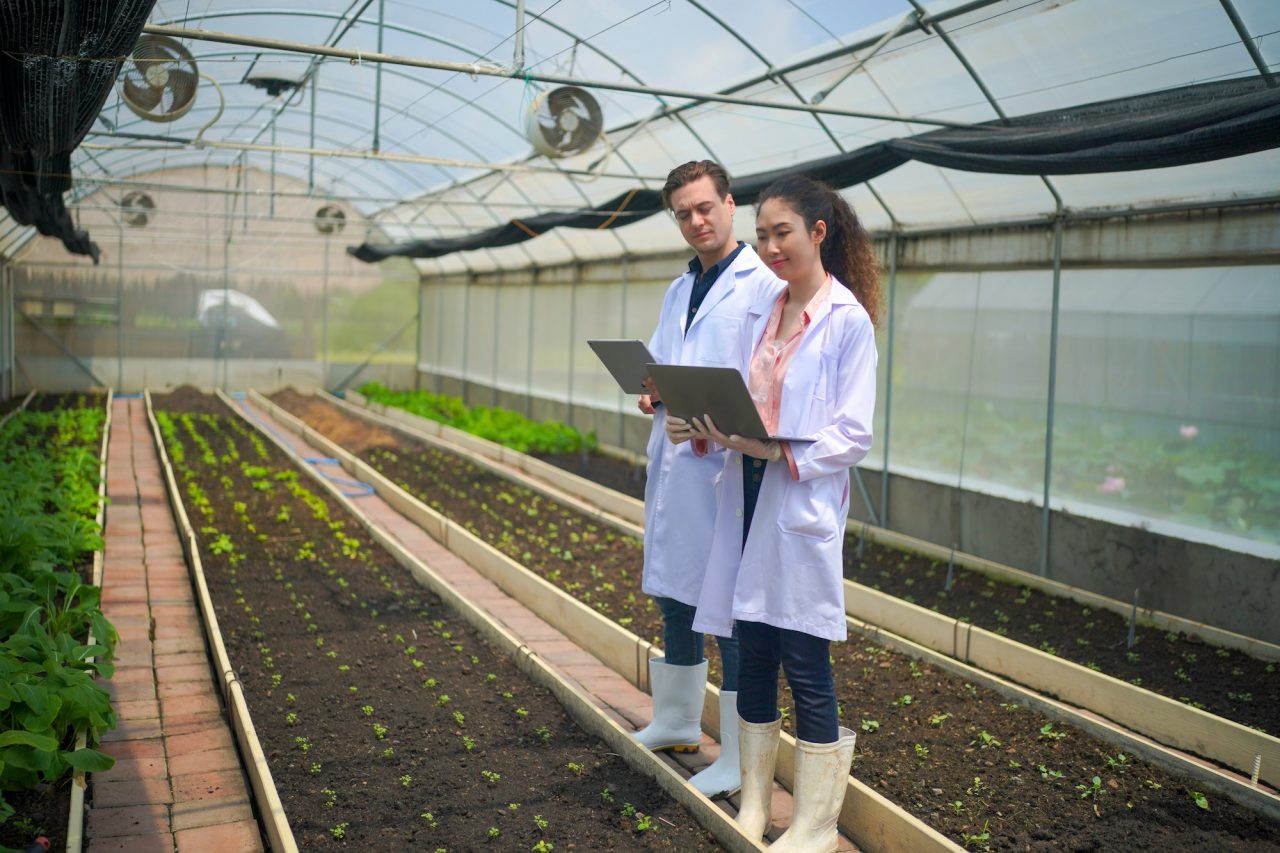
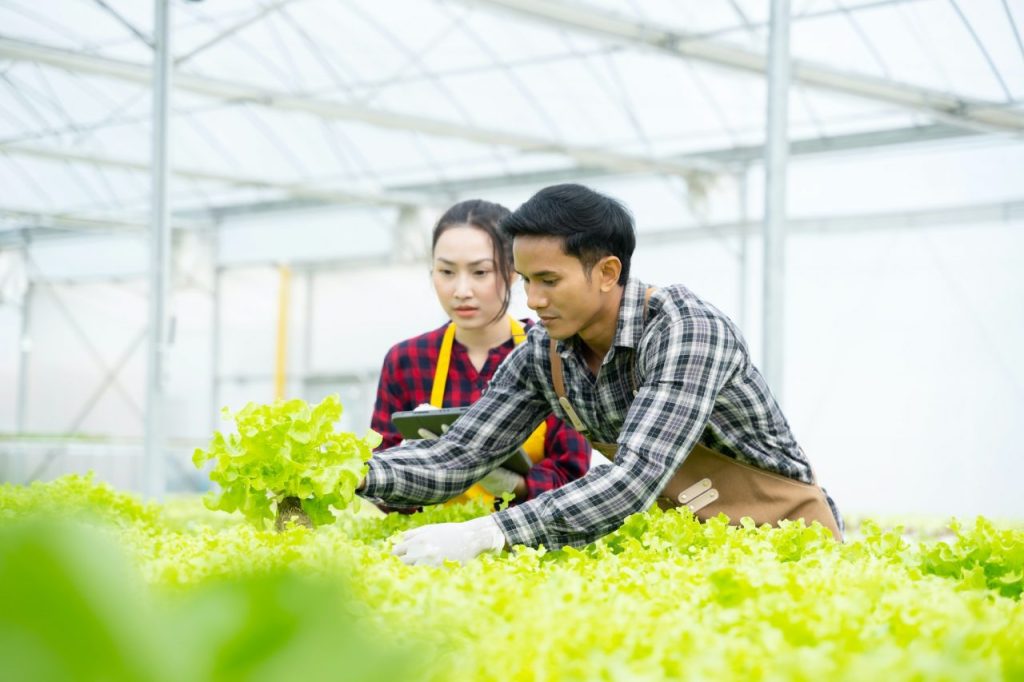
Cultivating Greenfields and a Greener EnvironmentGreenhouse installation has become a pivotal aspect of modern agricultural practices, contributing significantly to the cultivation of greenfields and the creation of a more environmentally sustainable world. With a growing global population and increasing pressure on traditional farming methods, greenhouses offer an innovative solution that allows for controlled and efficient plant growth. This article delves into the world of greenhouse installation, highlighting its benefits, various types, and the positive impact it has on both agricultural productivity and the environment.
Benefits of Greenhouse Installation
  • Year-Round Cultivation: Greenhouses provide a controlled environment where temperature, humidity, and light can be optimized for plant growth. This allows farmers to extend growing seasons, producing crops throughout the year regardless of external weather conditions.
  • Enhanced Crop Quality: With precise control over the growing conditions, greenhouse-grown plants tend to have better quality, appearance, and taste. This makes them more appealing to consumers and often commands higher prices in the market.
  • Increased Crop Yield: The controlled environment in greenhouses minimizes the impact of pests, diseases, and extreme weather events, leading to higher crop yields compared to traditional open-field farming.
  • Water Efficiency: Greenhouse systems often incorporate efficient irrigation methods, reducing water wastage by targeting the roots of plants directly. This approach helps in conserving water resources, an essential consideration in regions facing water scarcity.
  • Reduced Chemical Use: The controlled environment of greenhouses reduces the need for excessive pesticide and herbicide use, promoting healthier and more natural plant growth. This is not only beneficial for consumers but also for the environment.
Types of Greenhouses
  • Traditional Glass Greenhouses: These are iconic structures with glass walls and roofs, allowing ample sunlight to enter. They offer excellent light transmission and aesthetic appeal, but they can be expensive to construct and maintain.
  • Polyethylene Greenhouses: These structures use plastic sheets as covering material. They are more cost-effective and provide good insulation, but their longevity may be lower compared to glass greenhouses.
  • Polycarbonate Greenhouses:  Utilizing polycarbonate panels for walls and roofs, these greenhouses strike a balance between the advantages of glass and polyethylene. They offer good light diffusion, insulation, and durability.
  • Hoophouses or High Tunnels:  These are simpler structures, consisting of metal hoops covered with plastic. They are often used for season extension and can be more affordable for small-scale farmer